Maximizing Efficiency: The importance of Storage in Modern Life
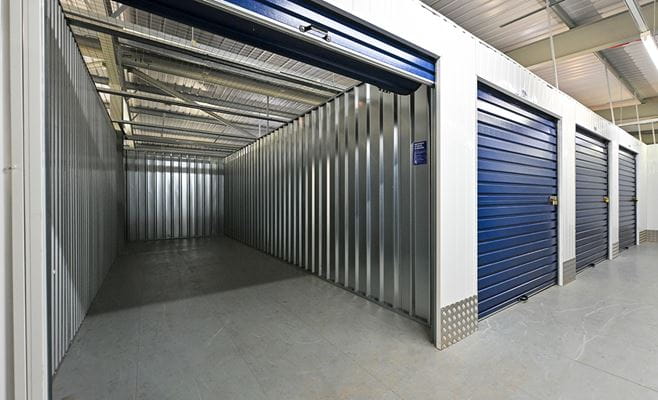
Storage has become an essential part of modern life, serving as a foundation for organization, efficiency, and productivity. Whether it is in homes, workplaces, or digital environments, the ability to store items effectively can greatly impact day-to-day activities and long-term planning. From traditional methods like shelves and cabinets to advanced digital storage solutions, understanding how to manage storage is vital in today’s fast-paced world.
In residential spaces, storage plays a significant role in maintaining a clean and organized environment storage. Clutter can quickly accumulate in homes, creating stress and reducing functionality. Well-designed storage solutions, such as modular furniture, hidden compartments, and smart closets, allow individuals to maximize available space while keeping items accessible. For instance, using vertical storage can transform small apartments by utilizing wall space efficiently. Similarly, multi-purpose furniture, such as beds with drawers or ottomans with hidden storage, helps homeowners store essentials without sacrificing style or comfort.
Beyond physical storage, technology has revolutionized the way we store information. Digital storage has become a cornerstone of personal and professional life, enabling people to save vast amounts of data on devices ranging from smartphones to cloud servers. Cloud storage, in particular, has changed the way businesses operate by offering scalable, remote solutions that reduce reliance on physical hardware. With cloud storage, employees can access documents from anywhere, collaborate in real time, and safeguard critical information against physical damage or theft. The benefits of digital storage extend beyond convenience, as it also allows for automated backups, data recovery, and enhanced security measures.
The evolution of storage has also had a major impact on industries such as logistics and manufacturing. Warehouses and storage facilities are central to supply chain management, ensuring that goods are readily available for distribution. Efficient storage systems in these environments reduce retrieval time, minimize errors, and optimize inventory management. Modern warehouses often use automated storage and retrieval systems, which employ robotics and software to streamline operations. By investing in advanced storage technology, companies can improve accuracy, reduce labor costs, and meet consumer demand more effectively.
Another area where storage is critical is in food management. Proper food storage not only prevents waste but also ensures safety and quality. Refrigeration, freezing, and vacuum sealing are common methods used to prolong the shelf life of perishable items. Additionally, proper organization within pantries and refrigerators allows for better inventory tracking and reduces the chances of spoilage. Innovations in food storage, such as smart containers that monitor freshness or temperature-controlled storage units, are reshaping how households and businesses manage edible goods.
In addition to functional benefits, storage also has a psychological impact. Cluttered spaces can contribute to feelings of anxiety and disorganization, whereas well-maintained storage systems create a sense of calm and control. Minimalist design principles often emphasize the importance of effective storage, encouraging the use of only essential items while providing dedicated spaces for their placement. This approach not only maximizes space but also fosters mental clarity and productivity.
Sustainable storage solutions have gained popularity as environmental concerns become more pressing. Eco-friendly storage involves using materials that are recyclable, renewable, or biodegradable. For example, bamboo shelves, recycled plastic containers, and cardboard storage boxes are alternatives to traditional materials that may harm the environment. Moreover, digital storage reduces the need for paper and physical records, contributing to a more sustainable approach to information management. By incorporating sustainable storage practices, individuals and organizations can minimize their ecological footprint while maintaining efficiency.
The design of storage solutions is increasingly influenced by technology, ergonomics, and aesthetics. Modular and customizable storage allows users to adapt to changing needs, while ergonomic designs ensure ease of use and reduce strain during retrieval or organization. In professional settings, aesthetic considerations also play a role, as visually appealing storage systems enhance the overall workspace environment. By combining functionality, user comfort, and design, storage solutions can meet diverse needs without compromising style or practicality.
In the realm of personal electronics, storage capacity has become a key consideration for consumers. Devices such as smartphones, tablets, and laptops rely on both internal and external storage to handle applications, media, and personal data. The rise of high-resolution media, such as 4K videos and large photo libraries, has increased the demand for more substantial storage capacities. External storage options like SSDs, hard drives, and memory cards complement internal storage, providing users with flexibility and extended capacity for data management.
Storage is not limited to physical or digital forms but also extends to knowledge and skills. Mental storage, or the ability to retain and recall information efficiently, is crucial in education and professional development. Techniques such as note-taking, mind mapping, and digital organization tools assist individuals in storing knowledge systematically. By combining effective methods of physical, digital, and mental storage, people can achieve greater organization and improved performance across all areas of life.
The integration of smart technology into storage has opened new possibilities for efficiency and convenience. Smart home storage solutions, for example, can automatically track inventory, alert users when items are low, or even reorder supplies. Similarly, in industrial settings, smart storage systems can monitor stock levels, predict demand, and optimize placement of goods. These innovations not only save time and reduce human error but also enhance decision-making through data-driven insights.
Ultimately, the concept of storage is about more than just holding items or information; it is about creating systems that improve accessibility, efficiency, and security. Effective storage solutions allow individuals and organizations to save time, reduce stress, and optimize resources. As society continues to evolve, the importance of storage will only grow, influencing how we live, work, and interact with our surroundings. By embracing innovative, sustainable, and well-organized storage methods, it is possible to unlock new levels of productivity and convenience in everyday life.